
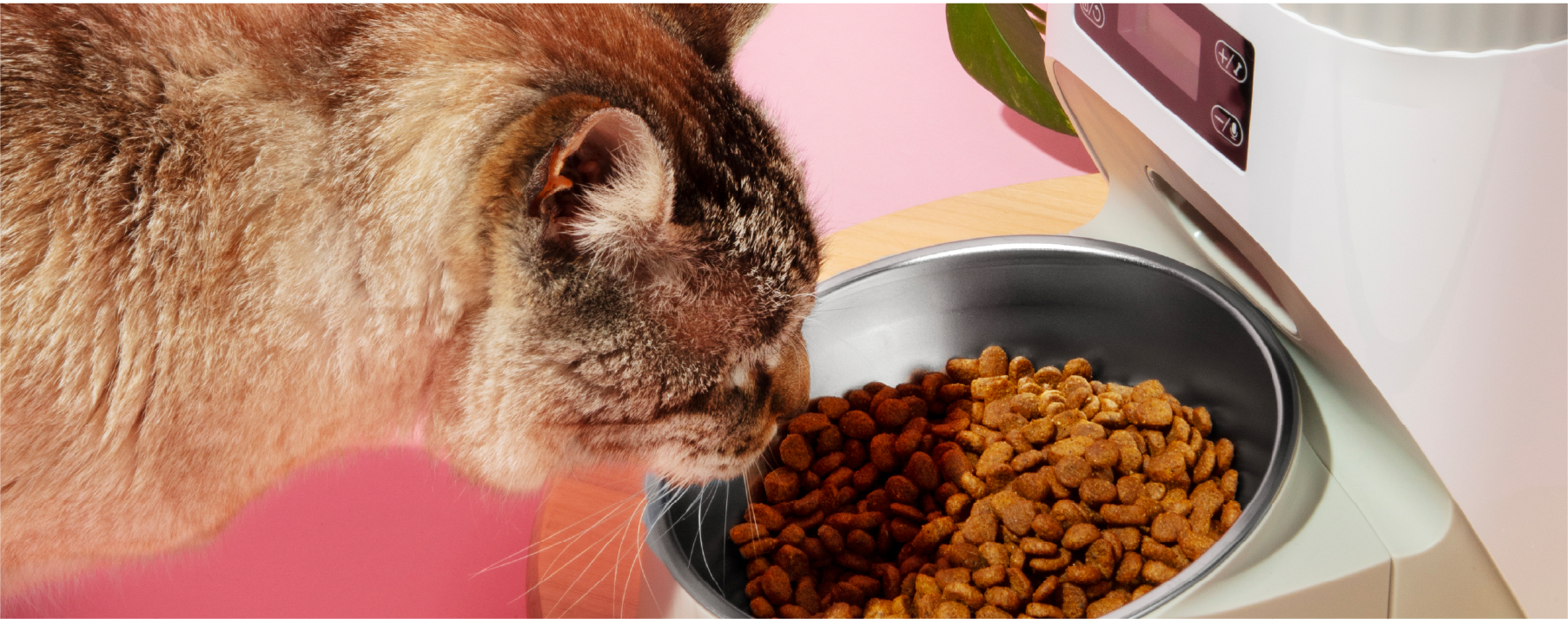
Cats are natural carnivores, and their diet should be based mainly on meat and animal-derived products. The food you provide has a direct impact on your cat’s health and wellbeing. Find out how to ensure your cat eats healthily and enjoys a long, happy life.
Cats have specific dietary requirements due to their anatomy and physiology, which are adapted to digesting animal-based foods. A diet rich in animal protein is essential for maintaining strong muscles, a healthy coat, robust immunity, and good mental condition. Inadequate nutrition can lead to serious health problems, including obesity, kidney disease, digestive disorders, and behavioural issues. Many owners are unaware of the importance of providing all the essential nutrients, which can result in health complications for their pets.
The foundation of a healthy cat diet is high-quality, balanced food with a significant meat content. Properly composed food ensures your cat receives all the necessary vitamins and minerals in an easily digestible form. Feeding table scraps, especially processed meats intended for humans, is a common mistake. Such foods are high in salt and often contain seasonings that are harmful to cats. However, home-prepared meals can be a healthy option if done correctly. One recommended approach is the BARF diet, which involves preparing your own meat mixtures with suitable supplements like taurine and haemoglobin. Owners interested in this method should educate themselves thoroughly to ensure their cat’s nutritional needs are met.
When choosing the right food, consider your cat’s age, health status, individual needs, activity level, and taste preferences. Kittens up to twelve months old require more frequent meals, around four to five times a day, to support their rapid growth and metabolism. Adult cats generally need two to three meals daily, while older or unwell cats may benefit from smaller, more frequent portions. Feeding your cat at regular times each day is also recommended.
A balanced feline diet must provide all the vital nutrients to support your cat’s health:
It is equally important to avoid foods that are dangerous for cats, such as chocolate, cocoa, onions, garlic, chives, leeks, alcohol, raisins, grapes, dairy products, raw eggs, coffee, tea, sweets, poultry and fish bones, avocado, yeast dough, and macadamia nuts.
Supplements can enhance your cat’s diet, supporting digestion and immunity. Natural supplements such as postbiotics are beneficial. DeliGuard postbiotic, for example, contains compounds produced by Bacillus subtilis bacteria, which promote healthy digestion and nutrient absorption. This supplement also strengthens the immune system, aids the body’s natural defences, and supports regeneration. Regular use helps to reduce tartar and keeps your cat’s coat healthy and glossy.
By understanding your cat’s nutritional needs and making informed choices, you can support your pet’s health and wellbeing at every stage of life.