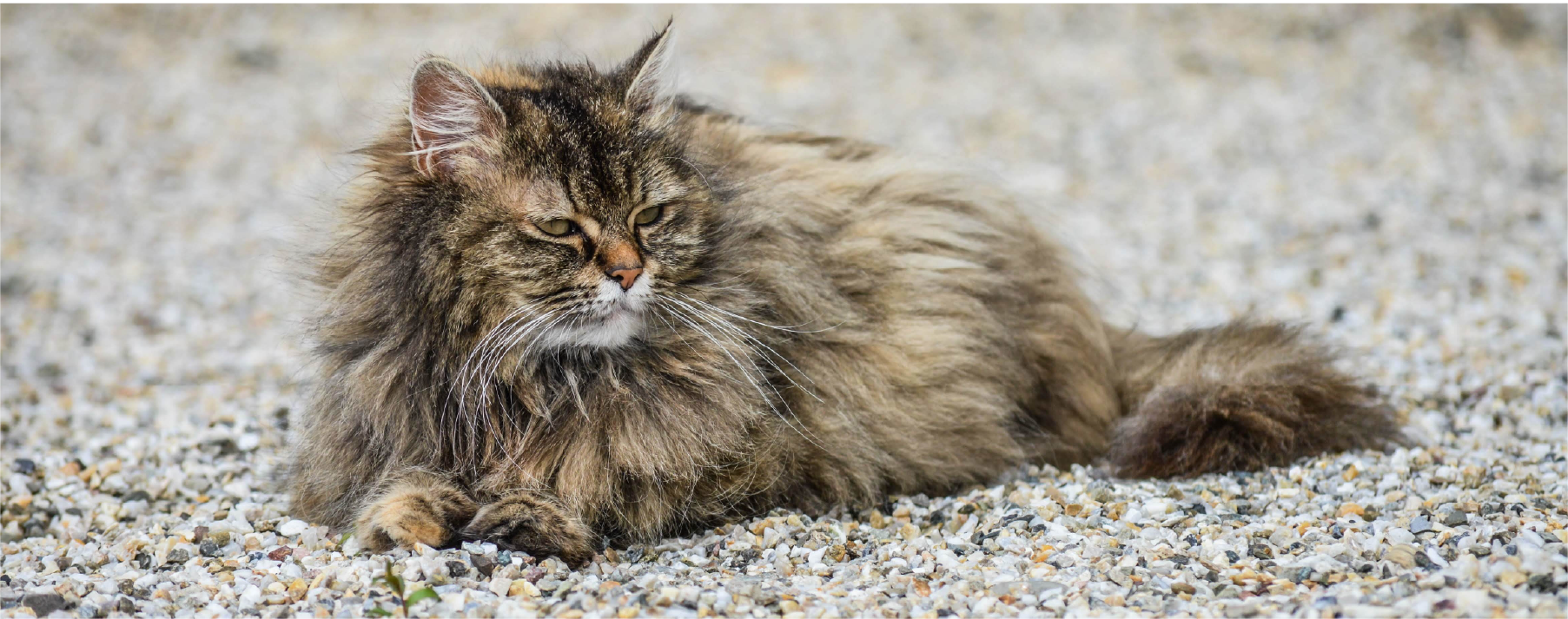
Your dog’s or cat’s coat requires special care. Are supplements the answer to keeping your pet’s fur healthy and shiny? Read on to find out more.
Dog and cat coats – can supplements really help?
Your dog’s or cat’s coat plays an important role in their overall health and comfort. Keeping it in good condition makes a real difference to your pet’s wellbeing. By following a few simple rules, you can ensure your pet’s coat stays healthy and shiny. But what is the best way to care for your dog’s or cat’s fur – and do supplements really make a difference?
Why fur matters for dogs and cats
The coat is a layer of hair covering the skin, made up of oily guard hairs and a thick undercoat. It serves several key functions, so it’s worth learning a few basics about your pet’s fur.
Types of dog coats:
- By texture: silky, smooth, wiry, curly, corded,
- By length: short, medium, mixed, long, hairless,
- By layers: with or without an undercoat.
Types of cat coats:
- Long-haired with thick undercoat or thin undercoat,
- Short-haired with thick undercoat or thin undercoat.
Your pet’s coat does much more than just look good:
- Weather protection: The coat insulates and protects against moisture.
- Prevents injuries and infections: Fur helps shield skin from scratches, parasites and germs.
- Reduces irritation: The coat protects skin from rubbing and harsh chemicals.
- Temperature regulation: Fur helps pets cope with heat or cold and protects from UV rays.
- Communication: Raised or dull fur can signal your pet’s feelings or health.
- Sensory function: In cats, whiskers help them sense their environment.
Common coat problems and causes
Dogs and cats can experience a range of coat problems. The most common is excessive shedding. Seasonal shedding is normal, but too much can be due to poor nutrition, digestive issues, skin conditions, infections, parasites, hormone imbalances, allergies or stress.
Dandruff is another frequent issue, often linked to poor diet, allergies, dry air, too much sun, stress, or parasites.
Itching and scratching can result from parasites, infections or allergies. Tangles tend to appear if brushing is neglected. Dull, lifeless fur can result from a lack of key nutrients, pollution, or skin diseases.
How to care for your dog’s or cat’s coat
Good coat care is essential for a healthy, glossy appearance. Stick to these simple tips:
- Brush regularly: The frequency depends on your pet’s breed. Short-haired pets need brushing at least once a week; long-haired ones may need it daily.
- Feed a balanced diet: Choose food rich in protein, omega-3 and omega-6 fatty acids, vitamins and minerals.
- Consider supplements: Supplements can support coat health, but always check with your vet before adding new ones.
- Bathe when needed: Dogs benefit from regular baths, while cats usually groom themselves. Always check your pet’s skin and coat for any problems.
Do supplements help?
If your pet’s diet isn’t providing enough nutrients, supplements may help. However, always consult your vet first, as too much of certain nutrients can be harmful.
Nutrients that support a healthy coat include:
- Omega-3 and omega-6 fatty acids: Soothe itching, reduce dandruff and hair loss; omega-6 also makes fur shinier and skin more supple.
- Biotin (Vitamin B7): Helps produce keratin for healthy skin and fur, making the coat shinier and reducing hair loss.
- Vitamin E: Protects skin cells from damage, prevents dandruff and dryness.
- Vitamin A: Supports skin health, hair growth and keeps fur moisturised and shiny.
- Zinc: Aids skin repair and healthy hair growth.
- Collagen: Strengthens hair structure and improves skin elasticity.
- Postbiotics (such as DeliGuard): Support gut health, improve the absorption of important nutrients, and help reduce skin inflammation, for example from food allergies. Regular use can help keep your pet’s coat in top condition.