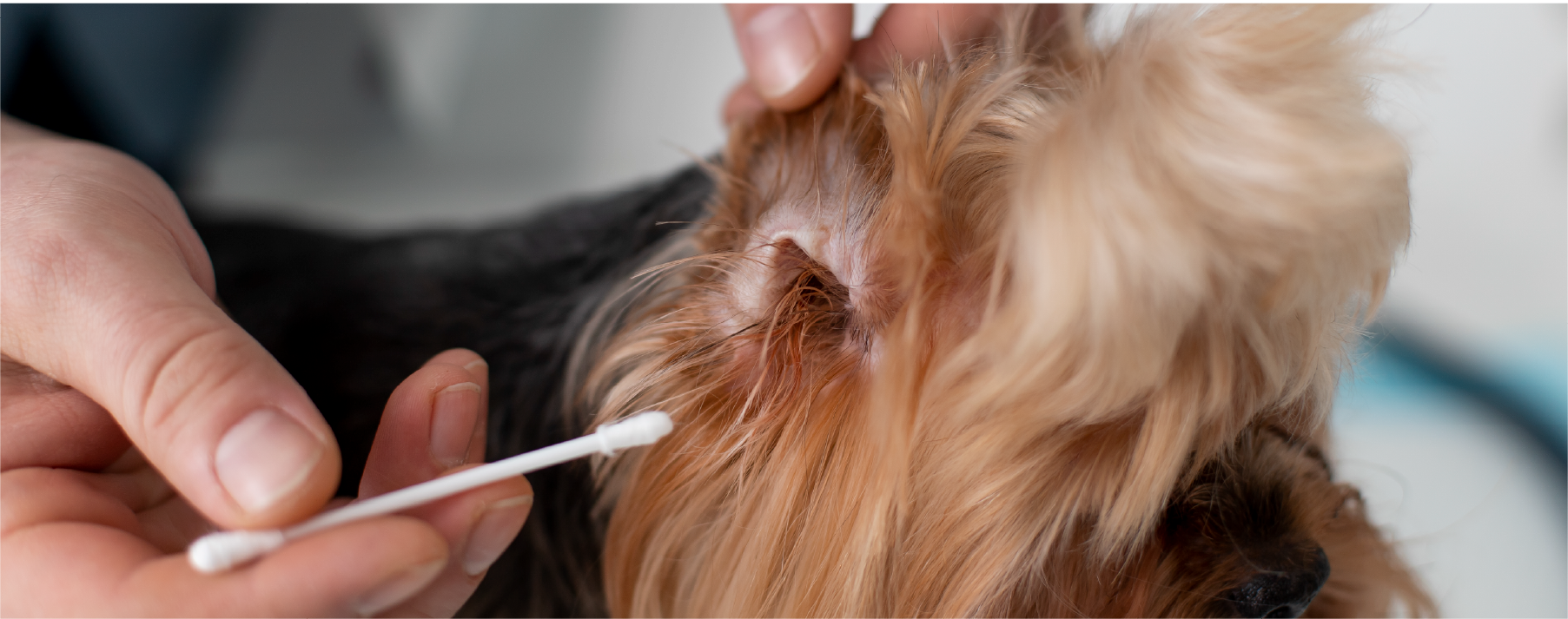
Skin inflammation is a common health issue in dogs and cats. It can significantly affect your pet’s wellbeing and deserves close attention from every responsible owner. Below, we explain what may cause skin problems in pets, how to recognise the symptoms, and what treatment options are available.
What is skin inflammation and why does it occur?
The skin protects the animal’s organs, muscles, and bones, forming a barrier against bacteria, viruses, and parasites. It also helps regulate body temperature. However, just like people, pets are vulnerable to various skin diseases, with inflammation being the most frequent. Skin problems of this kind can cause severe discomfort, stress, and pain for your animal companion.
At first, skin inflammation may go unnoticed as scratching due to mild itching is normal. However, if your pet begins scratching more often and intensely, or if you notice changes on the skin, such as redness, sores, or hair loss, this may signal a developing problem. Left untreated, inflammation can lead to wounds and secondary infections.
Main causes of skin inflammation in dogs and cats
Skin inflammation can arise from a variety of external, internal, or environmental factors. The most common include:
- Allergies: Food allergies, environmental allergies, or reactions to flea bites,
- Infections: Fungal, bacterial, or viral,
- Parasites: Fleas, ticks, demodex mites, or scabies mites,
- Environmental irritants: Chemicals or adverse weather conditions,
- Hormonal disorders: Such as hypothyroidism or Cushing’s disease,
- Nutritional deficiencies,
- Autoimmune diseases: Including lupus or pemphigus,
- Genetic predispositions,
- Stress and compulsive behaviours,
- Physical injuries.
Identifying the underlying cause is crucial for selecting the right treatment and restoring your pet’s comfort.
Types of skin inflammation in pets
- Atopic dermatitis:
Often genetic and related to immune system function, atopic dermatitis typically develops between six months and three years of age. It is an allergic reaction to everyday substances such as dust mites, pollen, mould, or fungi. This type of inflammation leads to persistent itching and redness, particularly around the face, stomach, armpits, groin, between the toes, anus, and the base of the tail. Constant scratching may result in coat thinning, secondary infections, and thickened or darkened skin. Certain breeds, such as Golden Retrievers, Labradors, Boxers, French Bulldogs, West Highland White Terriers, Setters, Schnauzers, Spaniels, and Shar-Peis, are more susceptible. - Contact dermatitis:
Triggered by direct contact with irritating or allergenic substances, such as acids, alkalis, plastics, detergents, solvents, medicines, plants, or metals. Skin changes usually appear on the belly, armpits, groin, paw pads, between the toes, inside the ears, on the underside of the tail, and in males, on the scrotum. Initial symptoms include redness, bumps, and swelling, which may progress to scabs, hair loss, and skin thickening if the animal continues to scratch. - Flea allergy dermatitis:
One of the most frequent skin problems in pets, caused by a reaction to flea saliva. Signs include intense itching, restlessness, brown stains from licking, hair loss, redness, thickened skin, scratches, or scarring. These changes are often located along the back, base of the tail, thighs, and belly in dogs, and on the back, belly, hind legs, neck, and occasionally the head in cats.
How to treat skin inflammation in dogs or cats
Effective treatment begins with eliminating the root cause. A veterinary consultation is essential, as your vet will assess your pet and suggest a suitable plan. Management may include medication, medicinal baths, specialist skincare products, and dietary supplements. Introducing DeliGuard postbiotic into your pet’s diet can improve digestive health and nutrient absorption, which supports skin recovery and coat regrowth. This supplement can also strengthen the immune system, helping wounds to heal more quickly and reducing inflammation.
Summary
To ensure your dog or cat stays healthy and comfortable, closely monitor their skin and behaviour. Early detection and proper care can greatly improve your pet’s quality of life, restoring both their comfort and your peace of mind.